The Difference Between Insulation Types and Materials
Understanding the difference between insulation types and materials helps homeowners choose the right solutions, and local contractors can recommend and install the best options for your needs.
Understanding the difference between insulation types and materials is an important step for property owners looking to improve energy efficiency and comfort. Whether building a new space or upgrading existing insulation, knowing the options available can help make informed decisions that suit specific needs and budgets. Property owners in the area may find it beneficial to explore this topic to better understand how different insulation choices impact performance, durability, and overall value, ensuring they select the best solutions for their property.
Local contractors who specialize in insulation services can provide valuable guidance tailored to the unique characteristics of local buildings and climates. By understanding the distinctions between various insulation materials and types, these professionals can help property owners identify the most effective options for their space. Keep reading to learn more about the different insulation choices available and how local service providers can assist in achieving optimal results.
- Attic insulation installation - homeowners exploring the difference between insulation types and materials often seek pros to determine the best options for attic spaces.
- Basement wall insulation - those aiming to improve energy efficiency and moisture control look for local contractors experienced in selecting suitable insulation materials.
- Wall cavity insulation - when upgrading or retrofitting walls, people rely on service providers to advise on the appropriate insulation types for different wall structures.
- Soundproofing insulation services - clients interested in reducing noise may consult local pros to understand how different insulation materials impact soundproofing effectiveness.
- Duct insulation installation - individuals focusing on HVAC efficiency often contact local contractors to choose the right insulation types and materials for ductwork.

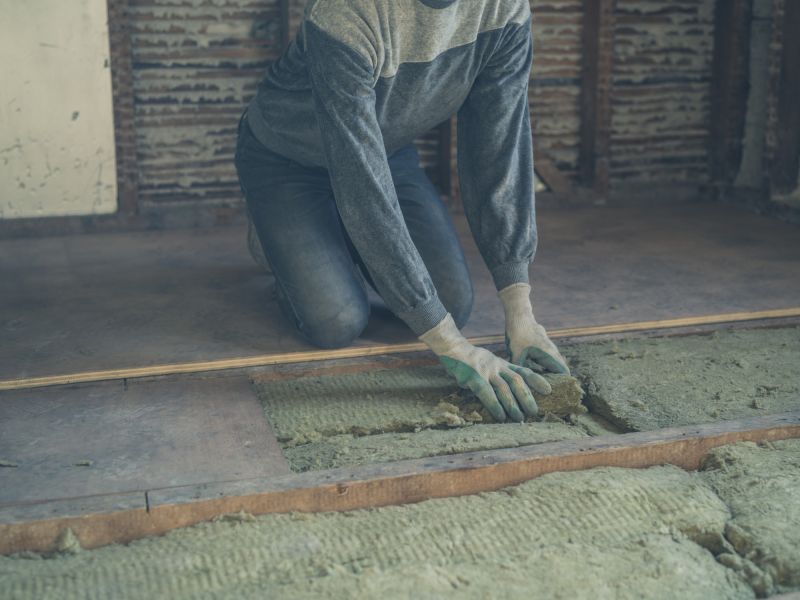
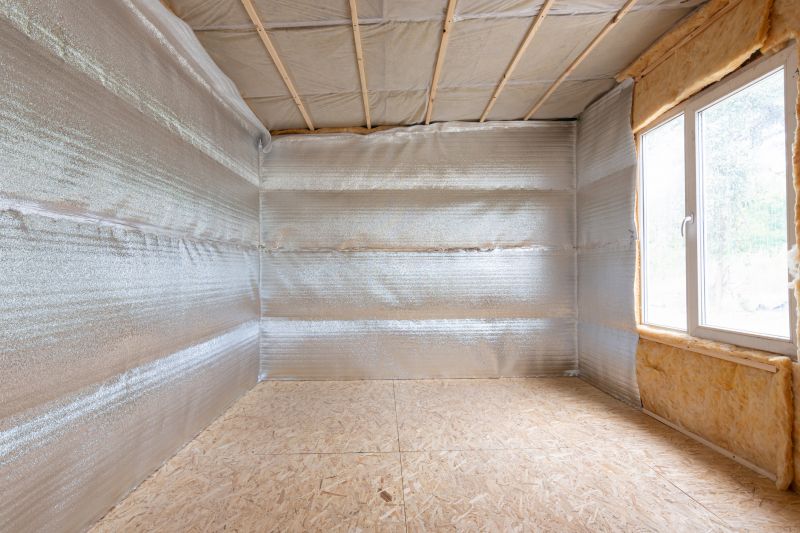
When homeowners search for information about the difference between insulation types and materials, they are often trying to understand which options are best suited for their specific property and project goals. This topic typically comes up during planning stages of home improvement, renovation, or new construction projects where insulation plays a key role in energy efficiency, comfort, and soundproofing. People may be experiencing issues like drafts, uneven temperatures, or rising energy bills, prompting them to explore different insulation options. Understanding the distinctions between various types and materials helps homeowners make informed decisions and communicate clearly with local contractors about their needs.
The difference between insulation types and materials relates closely to the specific properties each option offers and how they perform in different areas of a property. For example, some insulation types are better suited for attics, walls, or basements, while certain materials might excel in resisting moisture, fire, or pests. Common insulation types include fiberglass batts, spray foam, cellulose, and rigid foam boards, each with unique installation methods and performance characteristics. Local service providers can assess a property’s structure and help determine which insulation types and materials will best address the homeowner’s concerns, whether it’s improving thermal performance, reducing noise, or preventing air leaks.
This topic also connects to the kinds of properties that come up during the search for insulation solutions. Typical properties include single-family homes, multi-family buildings, and commercial structures. The size, age, and design of a property influence which insulation types and materials are most appropriate. For instance, older homes might require different insulation approaches compared to new builds, especially if there are existing structural or moisture considerations. Local contractors familiar with the local building codes and climate conditions can advise on the most effective insulation materials and types for each property, ensuring the installation meets the specific demands of the space.
Understanding the difference between insulation types and materials helps homeowners plan their projects more effectively and communicate their needs clearly to local service providers. Whether the goal is to improve energy efficiency, enhance comfort, or address specific issues like moisture or noise, knowing the options available allows for better decision-making. Local insulation contractors can evaluate properties, recommend suitable materials and types, and handle the installation process. Connecting with knowledgeable professionals ensures that the chosen insulation solutions are properly installed and tailored to the unique requirements of each property, leading to better results and long-term benefits.
Attic Ventilation Projects - these projects often involve understanding insulation materials and their placement to ensure proper airflow and energy efficiency, requiring planning skills similar to insulation selection.
Basement Waterproofing - waterproofing tasks often require knowledge of insulation barriers and moisture control materials, making them related to insulation types and materials services.
Wall Insulation Installations - installing wall insulation involves selecting appropriate materials and understanding their thermal properties, aligning with expertise in insulation types and materials.
Attic Air Sealing - air sealing projects demand familiarity with insulation materials and how they affect air movement, paralleling skills used in insulation work.
Crawl Space Insulation - insulating crawl spaces involves choosing suitable materials and planning for moisture and temperature control, similar to insulation type considerations.
Energy Efficiency Audits - these assessments often include evaluating insulation materials and types to identify improvements, connecting to expertise in insulation services.
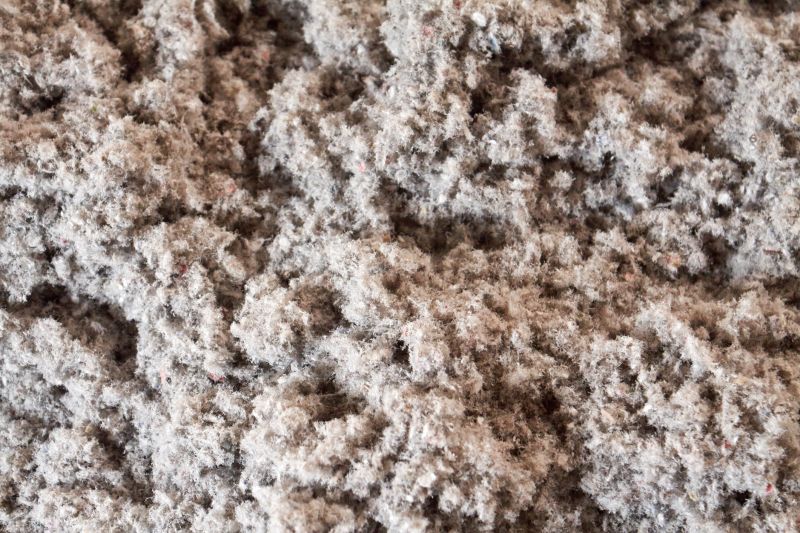
When comparing local contractors for insulation services, it’s important to consider their experience with similar projects. Homeowners should look for service providers who have a proven track record of working on insulation installations that involve different types and materials. An experienced contractor will understand the nuances between options like fiberglass, spray foam, cellulose, and mineral wool, helping to ensure the right choice is made based on the specific needs of the home. This familiarity can lead to a smoother installation process and more informed recommendations, ultimately contributing to the effectiveness and longevity of the insulation.
Clear written expectations are essential when evaluating potential service providers. Homeowners should seek contractors who can provide detailed descriptions of the work involved, including the types of insulation materials they recommend and why. Transparent communication about scope, procedures, and what the homeowner can expect helps prevent misunderstandings and ensures everyone is aligned. When service providers articulate their approach clearly, it becomes easier to compare their offerings and determine which contractor has a comprehensive understanding of the different insulation options and how they relate to the project’s goals.
Reputable references and effective communication are key indicators of a dependable local contractor. Homeowners can benefit from asking for references or reviews that highlight the contractor’s experience with insulation projects similar in scope and material types. Good communication includes responsiveness, clarity, and a willingness to answer questions, which can make the process of choosing and working with a service provider much more straightforward. Contractors who communicate well and can provide references demonstrating their expertise are more likely to deliver quality results and help homeowners make informed decisions about the insulation types and materials best suited for their home.
Property owners often search for the difference between insulation types and materials when they are planning practical projects around their homes and businesses. Local pros provide Insulation Types and Materials services for everyday jobs and straightforward project options.

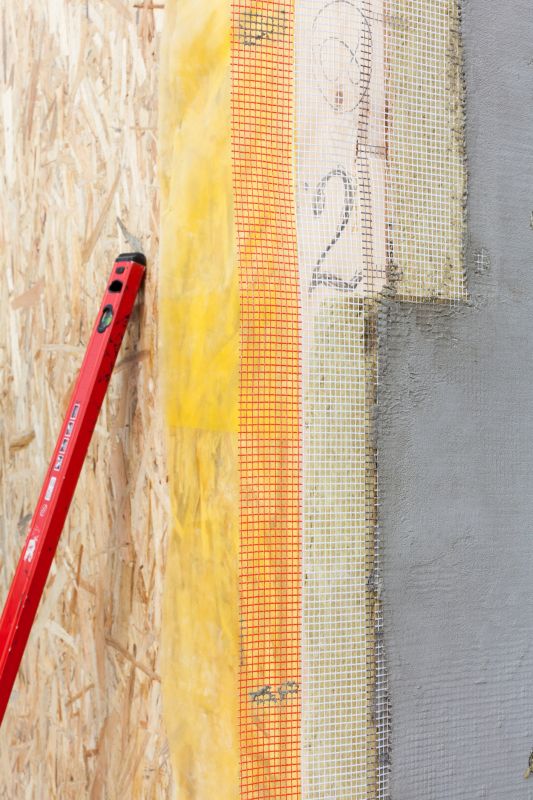
Understanding the difference between insulation types and materials is essential for property owners considering upgrades or repairs. Different insulation options, such as fiberglass batts, spray foam, or cellulose, each have unique characteristics that suit various parts of a home or building. For example, some materials provide better air sealing, while others excel at moisture resistance or soundproofing. Property owners often look up this information to determine which insulation type will best meet their needs, improve comfort, and enhance energy efficiency.
When exploring insulation services, many property owners turn to local contractors who specialize in installing or replacing different insulation materials. These service providers can assess specific spaces and recommend the most suitable insulation types based on the structure and goals. Whether insulating an attic, basement, or walls, connecting with experienced local pros ensures the right materials are used for optimal performance and long-term durability.
What are the main types of insulation used in homes? The primary insulation types include batt, spray foam, blown-in, and rigid foam, each suited for different parts of a building. Local contractors can help determine which type best fits specific areas of a property.
How do different insulation materials compare in terms of performance? Insulation materials vary in R-value, moisture resistance, and durability. Service providers can explain how each material's properties affect insulation effectiveness and longevity.
Why is it important to understand the difference between insulation types and materials? Knowing the distinctions helps ensure the right insulation is chosen for comfort, energy efficiency, and compatibility with building structures. Local pros can guide homeowners through these choices based on their needs.
Can the choice of insulation material impact installation options? Yes, some materials require specific installation methods or conditions. Experienced contractors can advise on suitable installation techniques for each insulation type and material.
How do insulation types and materials affect overall energy efficiency? Different insulation types and materials influence heat retention and air sealing, impacting energy costs. Local service providers can recommend solutions that optimize a building’s insulation performance.
Understanding insulation types helps property owners choose the most effective materials for their specific climate and building design, ensuring better energy efficiency.
Comparing insulation materials allows homeowners to select options that fit their budget, comfort needs, and installation preferences with the help of local contractors.
Knowing the difference between insulation types and materials can guide property owners in planning upgrades or repairs to improve indoor comfort and reduce energy costs.
Consulting local insulation service providers can assist in determining the best materials for existing structures and future projects based on the unique characteristics of each insulation type.
If you are thinking about the difference between insulation types and materials for a property, this guide is meant to help you understand this topic, the typical project types, and how different options might fit your plans.
When you are ready, you can use the quote form on this page to share a few details about your project. From there, local pros can review the basics and follow up with options that match what you have in mind.