Compare Local Contractors for Blown In Insulation Services
Compare local contractors for blown-in insulation to define project scope, verify experience, and set clear expectations in writing for a successful upgrade.
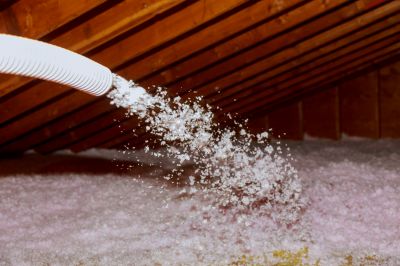
Blown-in insulation services typically involve the installation of loose, fibrous material into wall cavities, attics, or other spaces to improve thermal efficiency. This process usually requires the use of specialized equipment to evenly distribute insulation material, such as cellulose or fiberglass, ensuring comprehensive coverage. Proper installation helps reduce energy loss, enhance comfort, and potentially lower heating and cooling costs. When selecting a contractor, it’s important to understand the scope of work they offer, including whether they handle the entire process-from assessing existing insulation to clean-up-so that expectations are clear from the outset.
Defining the scope of blown-in insulation projects is crucial for achieving desired results and avoiding misunderstandings. Property owners should clarify details such as the areas to be insulated, the type of insulation material used, and any necessary pre-work, like removing old insulation or sealing gaps. Having these specifics in writing helps ensure that both parties agree on what work will be performed, reducing the risk of unexpected issues later. Clear communication about the project scope also supports better planning and allows property owners to compare service providers based on the comprehensiveness of their offerings.
When evaluating local contractors for blown-in insulation, property owners can consider several factors to make informed comparisons. It is helpful to verify the experience and reputation of service providers, including their familiarity with similar projects in the area. Reviewing details such as scope of work, methods, and materials used can reveal differences in quality and professionalism. Additionally, requesting written descriptions of the project scope and ensuring that all expectations are documented can facilitate a smoother process. Comparing these aspects among local service providers helps property owners choose a contractor who aligns with their project needs and standards.
Compare local contractors by outlining your priorities, verifying experience, and setting clear expectations in writing.
- Compare Contractors - review multiple local service providers to find the best match for blown-in insulation projects.
- Define Scope - clearly outline the work to be done to ensure all parties understand project requirements.
- Verify Experience - assess each contractor’s background and expertise in insulation installation.
- Set Expectations - document project details and responsibilities in writing to promote clarity and accountability.
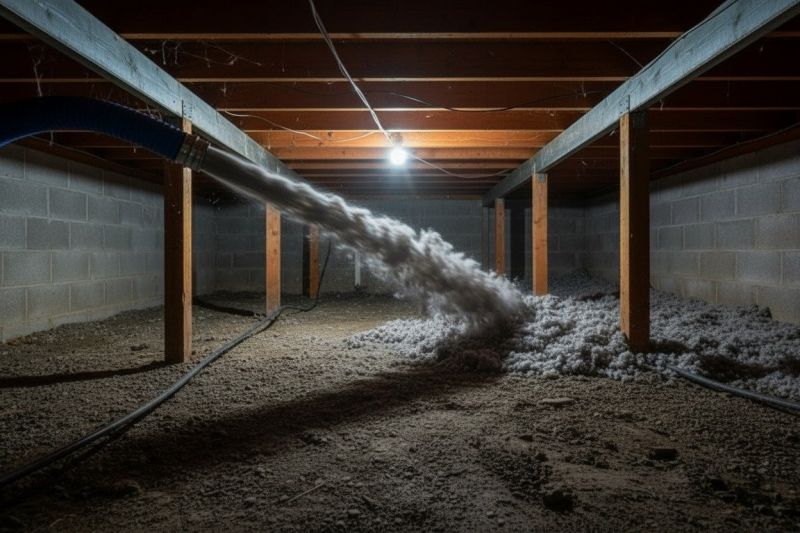
Clearly describe your blown-in insulation project to help compare local contractors, define scope, and set expectations in writing.
- Verify the contractor’s experience with blown-in insulation projects to ensure they have relevant expertise. - Look for clear scope definitions and detailed work descriptions in written agreements to set proper expectations.
- Compare multiple service providers to assess their qualifications, reputation, and the quality of their previous work. - Ensure that contractors follow industry standards and best practices for insulation installation.
- Ask service providers about their process for inspecting existing insulation and identifying areas that need attention. - Confirm that they will assess your space thoroughly before beginning work.
- Check that the scope of work includes all necessary steps, such as preparation, insulation application, and cleanup. - Make sure the scope is comprehensive to avoid unexpected issues later.
- Request written documentation of the project scope, materials to be used, and any warranties or guarantees offered. - This helps clarify what is included and protects your interests.
- Evaluate the contractor’s communication style and responsiveness to ensure clear, ongoing dialogue throughout the project. - Consistent and transparent communication is key to a successful insulation service.
Compare local contractors' experience and scope details to ensure clear expectations for blown-in insulation projects.
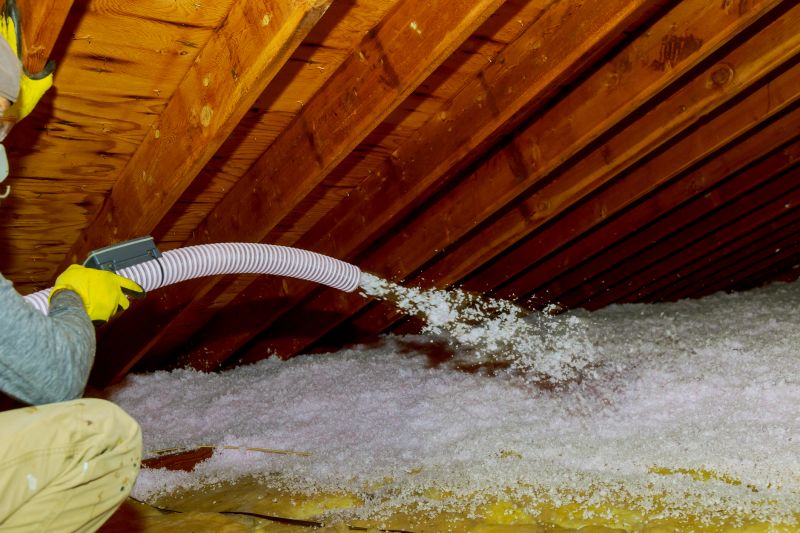
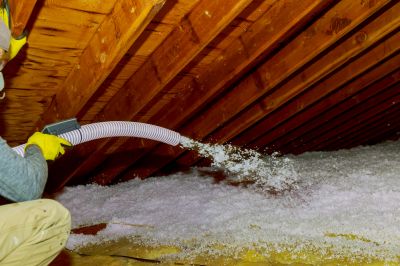
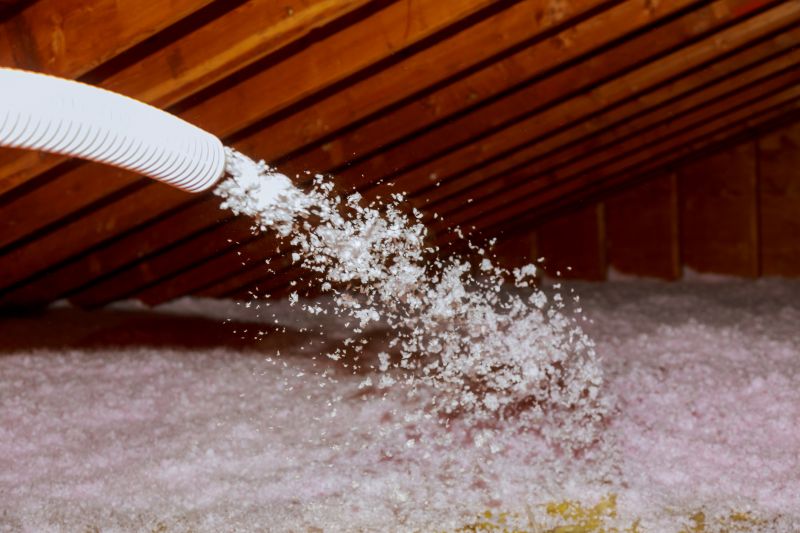
This scope builder helps compare local contractors, define work details, verify experience, and establish clear expectations.
- Scope Definition - Clearly outline the areas and structures where blown-in insulation will be installed or upgraded.
- Material Specifications - Specify the type and quality of insulation material to be used by the service providers.
- Experience and Expertise - Verify the contractors’ experience with blown-in insulation projects of similar scope and complexity.
- Work Details - Document the methods, equipment, and techniques that will be employed during installation.
- Written Agreement - Ensure all scope details, expectations, and responsibilities are documented in a formal written agreement.
When evaluating contractors for blown-in insulation services, it’s important to consider their experience with similar projects. Homeowners should inquire about how many installations they have completed in comparable types of homes or attics, as this can provide insight into their familiarity with common challenges and best practices. An experienced service provider will be able to discuss their previous work in detail and demonstrate a solid understanding of the specific requirements involved in insulation projects similar to the home’s needs.
A clear, written scope of work is essential when comparing contractors. This document should outline the specific tasks that will be performed, the materials to be used, and the expected outcomes. Having a detailed scope helps ensure that all parties share the same expectations and reduces the potential for misunderstandings. Homeowners are encouraged to review and clarify the scope before proceeding, making sure it aligns with their goals for the project and provides a comprehensive overview of the work involved.
Verification basics involve understanding how service providers confirm the quality and completeness of their work. It’s helpful to ask how contractors verify proper insulation coverage, such as through visual inspections or measurements. Additionally, understanding their process for ensuring the insulation is installed evenly and at the appropriate density can help homeowners gauge the professionalism of the service provider. These verification steps are key to achieving a successful outcome and ensuring the insulation performs as intended.
When comparing options, homeowners should focus on how each contractor presents their approach and scope of work in writing. Evaluating the clarity and detail of proposals can reveal the level of professionalism and thoroughness. It’s also useful to consider how well the contractors understand the homeowner’s goals and whether they can provide clear explanations of their methods. By reviewing these written details, homeowners can better assess which service providers are capable of delivering quality work that aligns with their expectations, without the need to consider pricing at this stage.
Ask contractors to provide written scope details to ensure clear understanding and consistent project expectations.
- Experience and Expertise - What experience do the local contractors have with blown-in insulation projects similar to this one?
- Scope of Work - How will the service providers define and document the specific scope of work for the insulation installation?
- Material and Methodology - What types of insulation materials and installation methods do the local contractors recommend for this project?
- Qualifications and References - Can the service providers provide references or examples of past work to verify their experience?
- Written Estimates and Agreements - Will the scope and expectations be clearly outlined in a written agreement before work begins?
What should I consider when choosing a contractor for blown-in insulation? It's important to compare local contractors based on their experience, reputation, and scope of services to ensure they meet the specific needs of the project.
How can I verify a contractor's experience with blown-in insulation? You can ask for details about their previous work, request references, and review any available project portfolios to assess their expertise.
Why is it important to define the scope of work in writing? Having a clear, written scope helps set expectations, prevents misunderstandings, and provides a reference for the project's agreed-upon services.
What questions should I ask a contractor before hiring for blown-in insulation? Inquire about their experience, the materials they use, their process, and how they handle any potential issues that may arise during installation.
How do I compare different contractors effectively? Review their qualifications, compare the scope of services offered, and consider their reputation and customer feedback to make an informed decision.
What role does a detailed written agreement play in the insulation project? A comprehensive agreement helps ensure all aspects of the work are understood and agreed upon, reducing the risk of disputes or surprises during installation.
Choosing the right contractor for blown-in insulation involves understanding the scope of work, verifying experience, and setting clear expectations in writing. This process helps ensure that the project is well-defined and that both parties are aligned on the details. By comparing local service providers, homeowners can find the options that best match their needs and preferences, making informed decisions based on the information gathered.
Using the quote form to compare local contractors provides a straightforward way to explore available options. It allows homeowners to gather details, define project scope, and evaluate potential service providers without commitments. Taking this step can help clarify choices and identify the best fit for the insulation needs.